
Specialty
Advanced Wearable Medical Device Design & Wireless Health Platforms
ACME Medical Equipment specializes in the engineering design and development of advanced
wearable medical devices and wireless health technologies for regulated healthcare applications.
With over a decade of experience in medical device engineering, we focus on creating robust,
scalable system architectures that support biosensing, physiological monitoring, and secure data
communication. Our expertise spans electronic hardware design, embedded firmware, application
software, and cloud-connected data systems, with a strong emphasis on physiological signal
acquisition and clinical-grade performance requirements.
Our integrated engineering approach enables us to develop complete wearable device architectures
from concept definition through detailed system design and documentation. These solutions are
designed for healthcare applications requiring continuous or ambulatory monitoring, with seamless
data transmission to mobile and cloud-based platforms for visualization and analysis. All
development is performed within a structured engineering framework aligned with regulatory
expectations, ensuring that designs are well-documented, traceable, and prepared for downstream
verification and validation activities.
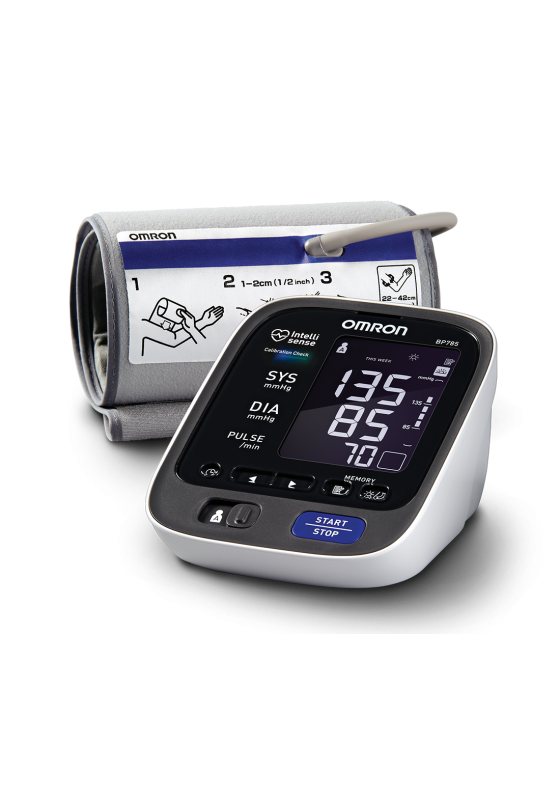
Wearable Technology Design
We maintain a portfolio of modular wearable device architectures that can be adapted to different clinical and research applications. These platforms are designed to reduce development complexity while maintaining flexibility for client-specific requirements and use cases.
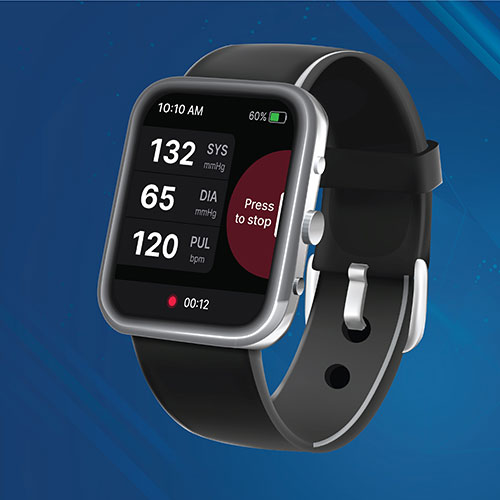
Smartwatch Engineering
Engineered for multi-parameter physiological monitoring, including heart rate, SpO₂ trends, temperature, respiration, ECG-derived metrics, and activity tracking. These systems are designed around integrated biosensor arrays with wireless connectivity for synchronized data transfer to companion applications and cloud environments.
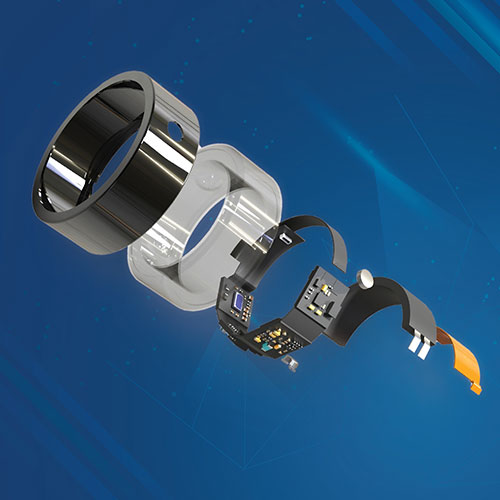
Ring-Based Wearable Design
Miniaturized biosensing systems designed for continuous, low-profile monitoring applications. These platforms support long-duration wear and are focused on metrics such as heart rate variability, sleep-related parameters, and physiological trend tracking with emphasis on comfort and signal stability. .
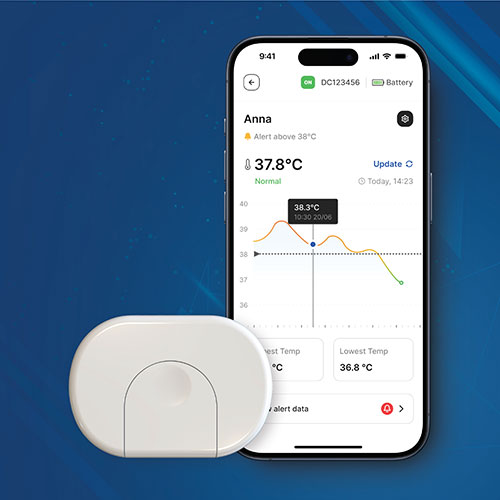
Head-Worn Sensor Systems
Wearable architectures intended for neurophysiological and biometric monitoring applications. These systems support acquisition of brainwave-related signals, movement data, and physiological indicators for research and clinical evaluation contexts.
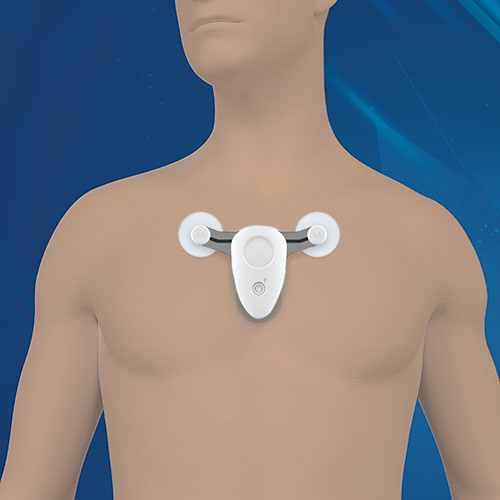
Chest-Worn Monitoring Systems
Patch-based and strap-based systems designed for ambulatory physiological monitoring, including ECG, respiration patterns, posture, and activity tracking. These platforms are optimized for extended monitoring use cases in clinical and post-discharge environments.
Engineering Value of Platform-Based Development
Wearable devices are designed to reduce development complexity and provide structured starting
points for client-specific programs. By leveraging pre-engineered system architectures, we help
reduce design uncertainty and support more efficient development planning.
Key engineering advantages include:
• Reduced design iteration cycles through established system architectures
• Lower technical risk through validated subsystem building blocks
• Improved cost predictability through reusable engineering frameworks
• Structured approach to regulatory-aligned documentation and design controls
These benefits support more efficient program execution while maintaining flexibility for
customization based on clinical and technical requirements.

Wireless Connectivity and System Integration
All wearable architectures are designed with integrated wireless communication capabilities, enabling secure data transfer to mobile devices, gateways, and cloud-based systems. These architectures support real-time or periodic data synchronization, depending on application requirements. System design considerations include power optimization, signal integrity, and reliable transmission of physiological data across variable operating conditions.
Clinical and Engineering Focus
Our wearable device engineering emphasizes physiological signal integrity, system reliability, and usability within real-world conditions. Designs are intended for applications ranging from wellness and preventive monitoring to clinically relevant data acquisition in regulated environments. Each system is developed with careful attention to sensor integration, motion artifact mitigation, and longterm stability of collected data. By combining structured engineering methodologies with deep experience in medical device system design, ACME Medical Equipment delivers wearable technology architectures that support innovation while maintaining alignment with regulatory and clinical expectations.